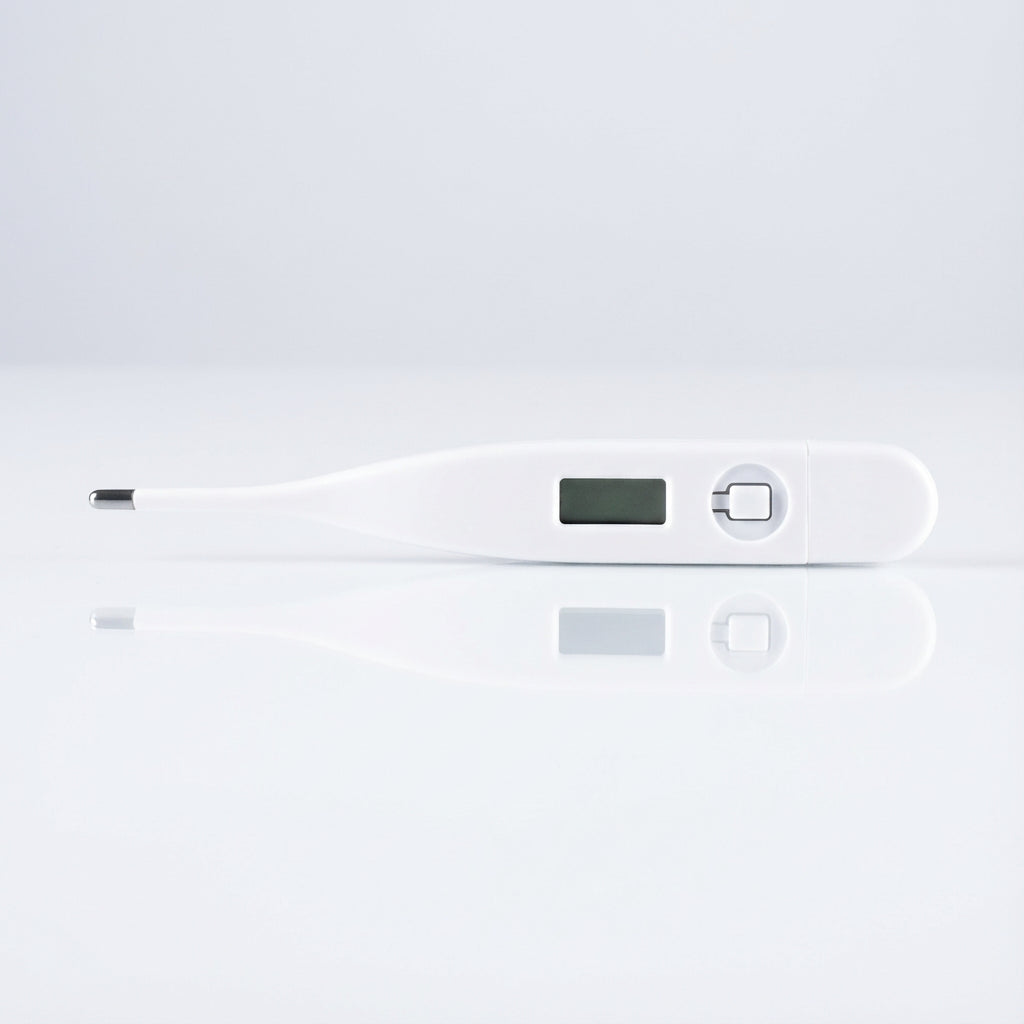
Digital Thermometer
In stockDelivered in 72 hShipped from Sainte-Marie, Québec
A question? 1-877-387-6669
In detail.
Digital oral thermometer: how to choose the right measuring mode
Reviews.
No reviews yet. Yours would be the first.
Cart
Your cart is empty
But it doesn’t have to be
Popular products
/
/
/
Promotions
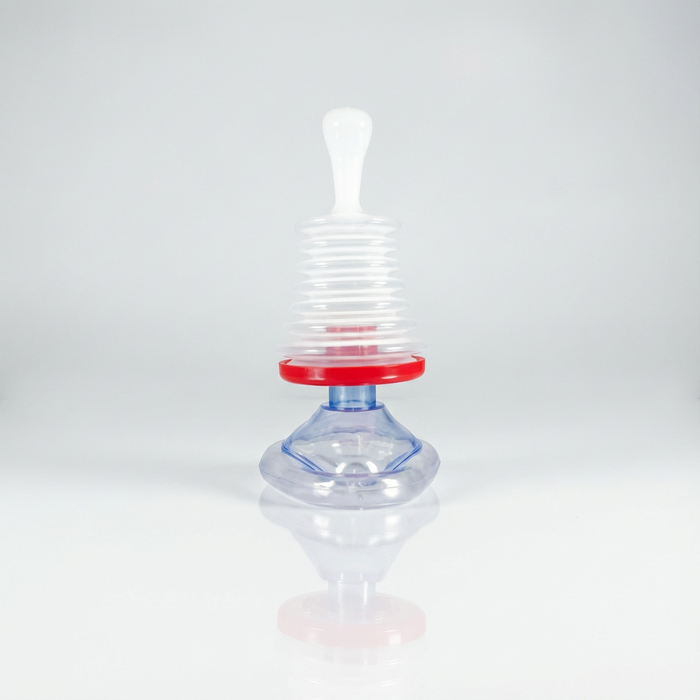
CPR Pocket Mask with Spare Valve — Reusable
/
Business First Aid Course
/
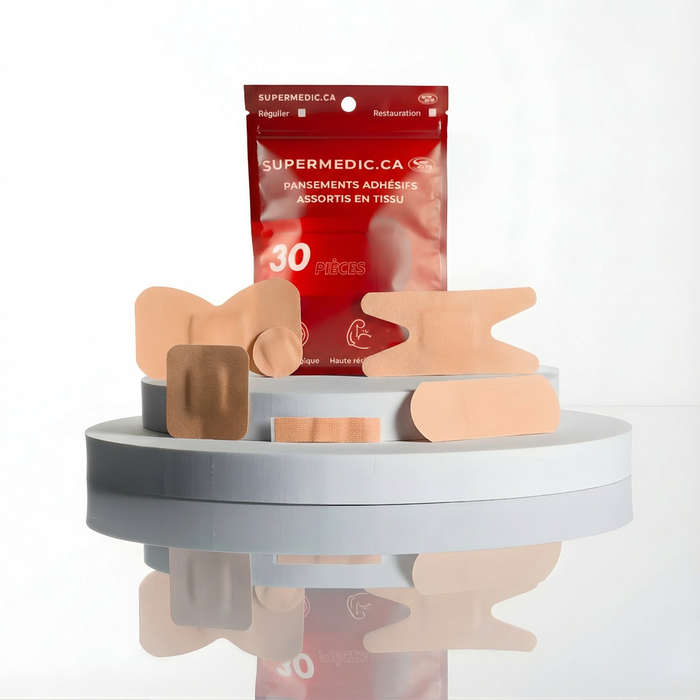
Assortment of 30 SuperMedic high resistance fabric dressings
/
CPR Practice Manikin — Inflatable Training Set
/
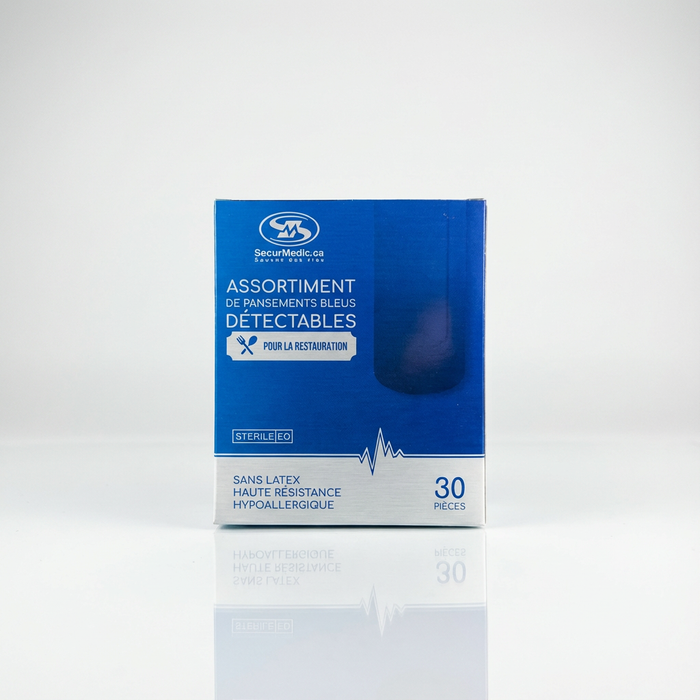
Detectable blue plasters catering HACCP — Box of 30 | SuperMedic
/
Teflon Burn Bandages
/
Nitrile Gloves (Pair)
/
Belt Pouch First Aid Kit — Quick Access in the Field — CNESST Compliant
/
Red cohesive bandage (hypoallergenic)
15.15$ / kg
Feeling unwell
/
Super Plasters CarboPlast (TM)
19.99$ / item
PERL Penlight
/
Pickup availability

In stockDelivered in 72 hShipped from Sainte-Marie, Québec
A question? 1-877-387-6669
Axillary (underarm) measurement is the most common mode in workplaces: simple, non-invasive and quick. It reads slightly below true core temperature (about 0.5°C lower). Oral digital measurement is more accurate and recommended for cooperative adults. Rectal measurement is the most clinically accurate and is recommended for babies and young children.
In workplaces and company kits, the digital thermometer is mainly used to quickly assess a worker showing signs of fever, hypothermia or heat stroke. Use single-use probe covers between people to maintain hygiene. See all of our SuperMedic first aid supplies to equip your workplace to the standards that apply.
No reviews yet. Yours would be the first.
Rectal measurement is the most clinically accurate: it measures core temperature directly. Oral digital measurement is accurate for adults and children over 4 who can keep their mouth closed. Axillary (underarm) measurement is the least accurate but the easiest, especially in the workplace. The flexible tip of the SuperMedic digital thermometer works for all three modes.
The SuperMedic digital thermometer is accurate to ±0.1°C over a range of 32 to 42°C (90 to 108°F), in line with clinical accuracy standards. A reading takes 10 to 30 seconds depending on the mode. A distinct beep signals the end of the reading, which prevents premature readings.
Disinfect the probe and put on a single-use probe cover. Apply a small amount of lubricating jelly to the tip. Insert gently about 1.5 to 2 cm in an adult (1 cm maximum in a baby). Wait for the beep that signals the end of the reading, then remove gently. Remove and discard the cover, and disinfect the probe before storing.
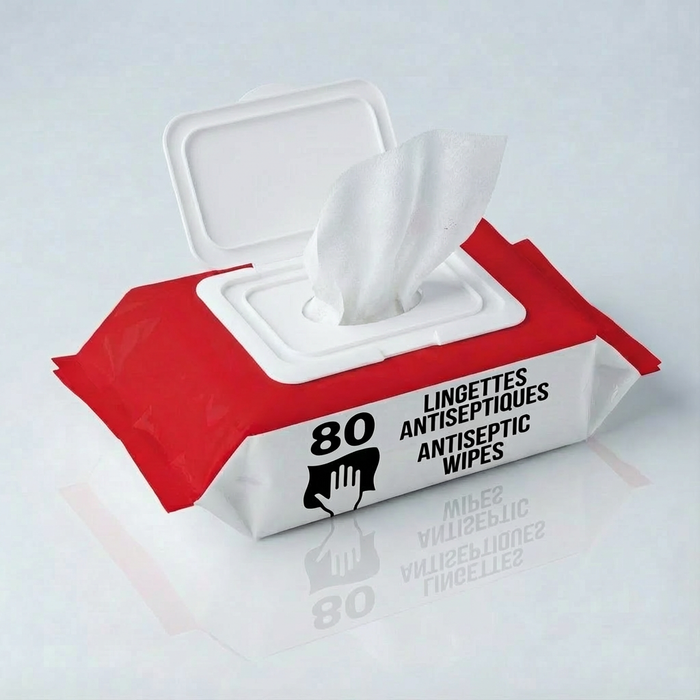
Wipe the probe with a 70% isopropyl alcohol pad after each use. Do not immerse the whole thermometer in water: only the probe is waterproof. Single-use probe covers are strongly recommended in workplaces to limit cross-contamination between users.
In the workplace or wherever several people use it, single-use probe covers are essential. They prevent cross-contamination between users and make cleaning the thermometer between readings easier. SuperMedic sells compatible thermometer covers in boxes of 100, to keep in the first aid kit.
A thermometer is not listed as a mandatory item in the basic contents of CSA Z1220 kits, but it is strongly recommended wherever monitoring for fever, hypothermia or heat stroke matters. Provincial regulators (WSIB in Ontario, WorkSafeBC in British Columbia, WCB in Alberta) may include it in their recommendations depending on the risks identified in your workplace.